In recent years, more people all over the world have started paying attention to natural and non-invasive health solutions. One technology that has gained steady interest is red light therapy. This is a form of light treatment that uses specific wavelengths of red and near-infrared light to support the body’s natural healing processes. It is gentle, non-painful, and does not involve drugs or surgery.
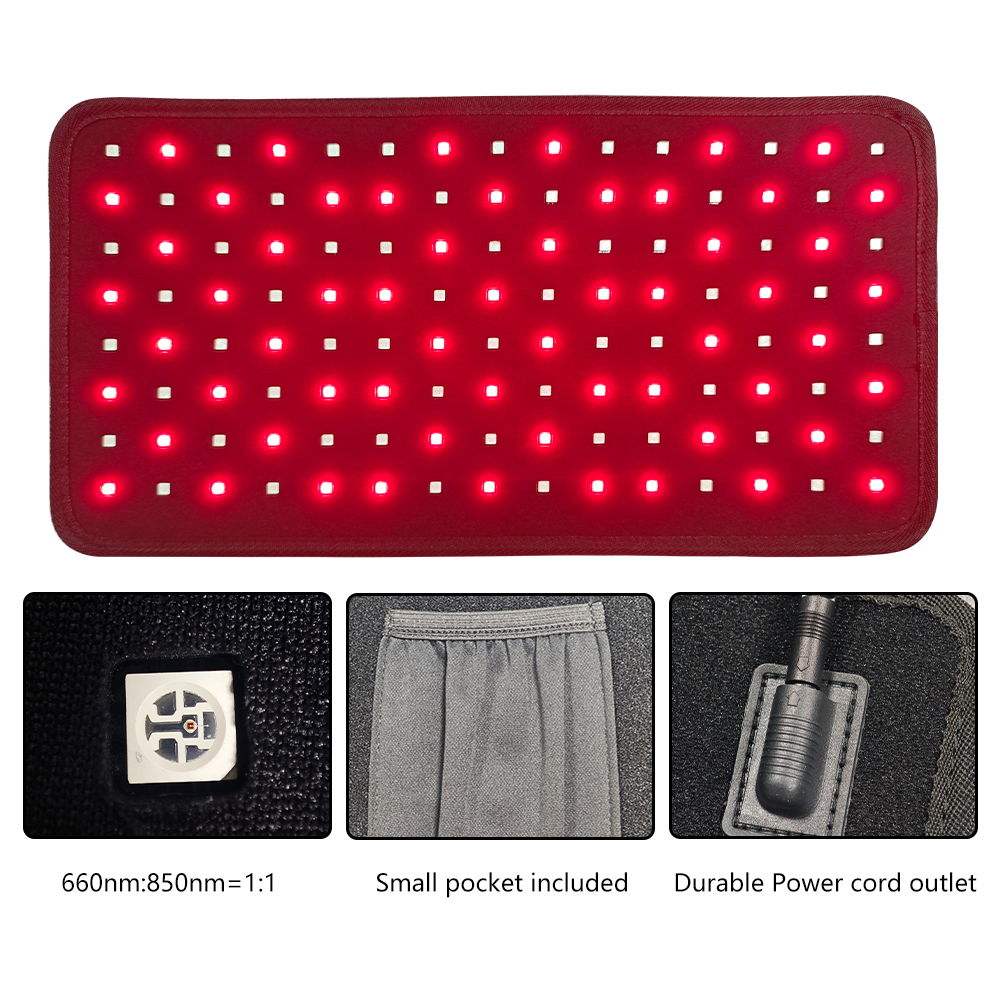
At the heart of this growing field is the combination of two specific wavelengths: 660 nm red light and 850 nm near-infrared light. These two wavelengths work in harmony to benefit different parts of the body and promote better health.
One company bringing this technology into everyday life is LEDEAST, a respected brand in the red light therapy industry. Their LEDEAST T110 device uses both 660 nm and 850 nm light to help users manage everyday health concerns from skin wellness to muscle comfort.
In this article, we will explore what red light therapy is, how these wavelengths work, why people use it, and how the LEDEAST T110 may fit into modern wellness routines.
What Is Red Light Therapy?
Red light therapy is a form of treatment that uses specific colors of light — namely red and near-infrared wavelengths — to interact with the cells in the body. Unlike ultraviolet (UV) light, which can damage skin and increase cancer risk, therapeutic red and infrared light are safe when used properly. These lights are absorbed into the skin and tissues, where they can support cellular function.
Every cell in our body has tiny structures called mitochondria. These are often known as the energy factories of the cell. When mitochondria absorb red and near-infrared light, they can produce more energy in the form of ATP (adenosine triphosphate). More energy means the cells can work better, repair faster, and reduce stress on the body.
Because of this effect, red light therapy is sometimes called photobiomodulation. It is not a laser or a heat lamp. Instead, it uses light to support the body’s own ability to heal and maintain balance.

How 660 nm and 850 nm Work Together
To understand red light therapy, it helps to know why the combination of 660 nm and 850 nm wavelengths is so popular.
660 nm — Visible Red Light
The 660 nm wavelength is visible to the human eye and mainly interacts with the outer layer of the skin and just beneath it. This makes it ideal for supporting skin health, improving appearance, and encouraging surface healing. Many users report benefits such as increased collagen production and improved skin tone.
This wavelength is often used for:
-
Improving skin texture and tone
-
Reducing fine lines and wrinkles
-
Supporting wound healing
850 nm — Near-Infrared Light
The 850 nm wavelength is invisible to the eye and penetrates deeper into the body. It can reach muscles, joints, and even deeper tissues. Because of this, it is often used for deeper healing purposes.
The deeper penetration of 850 nm makes it useful for:
-
Supporting muscle recovery after exercise
-
Helping with joint discomfort and stiffness
-
Improving circulation deep within tissues
Together, these two wavelengths provide broad coverage — from surface skin care to deeper tissue wellness.
Why People Are Turning to Red Light Therapy
Red light therapy has grown in popularity for several reasons, especially among people who want natural and supportive health care options. Here are some common reasons why individuals use this technology:
Non-Invasive Natural Support
Many people prefer non-invasive options that do not require medication or surgery. Red light therapy fits well into this category. It uses only light, which means there are no chemicals or needles involved.
Pain and Inflammation Support
Both 660 nm and 850 nm light support increased circulation and cellular energy production. This can help the body manage discomfort related to muscles and joints. While red light therapy is not a cure for serious medical conditions, many users find it helpful for daily soreness, stiffness after exercise, or tension due to long hours of work.
Skin Health and Appearance
Red light can stimulate collagen production, which is essential for skin elasticity and smoothness. People who use red light therapy regularly often report softer skin, fewer fine lines, and a healthier appearance.
Recovery and Performance
Athletes and active individuals are also turning to red light therapy to help with recovery after workouts. By supporting energy production and circulation, the body can relax and repair more efficiently.
Introducing the LEDEAST T110 Device
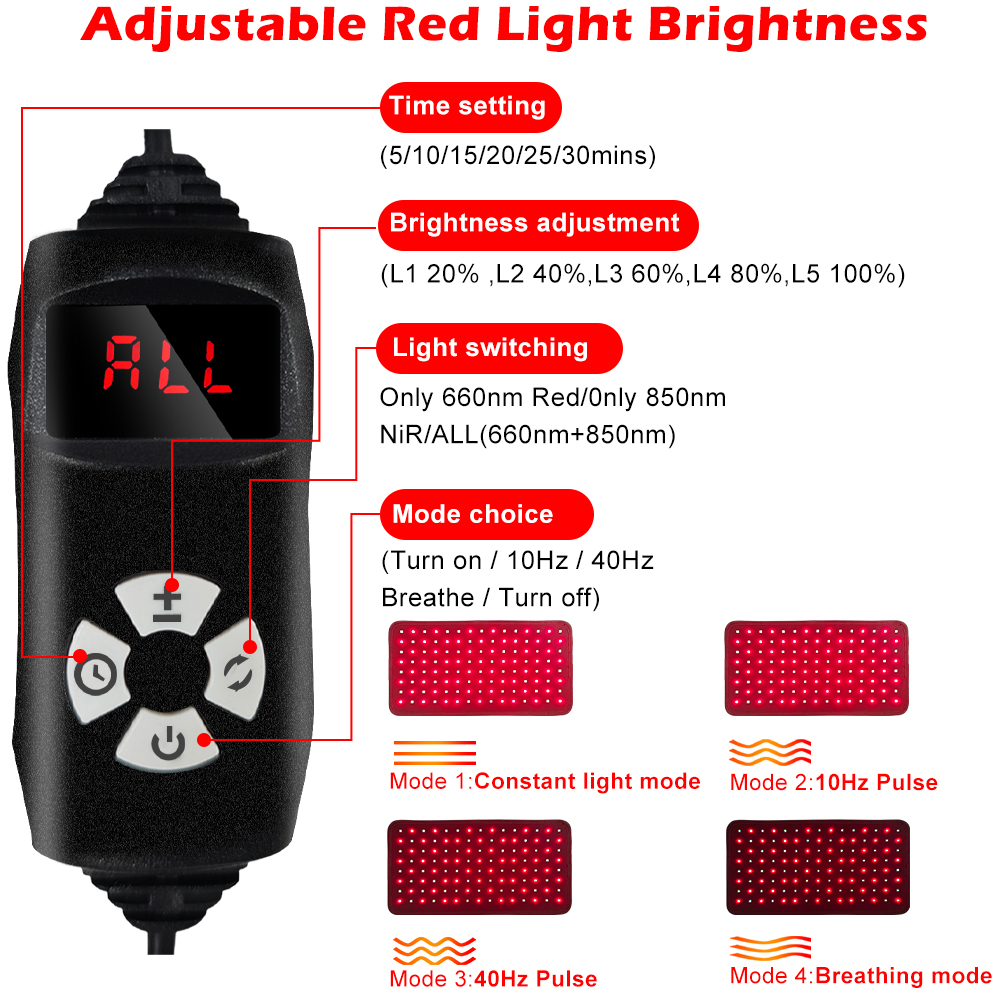
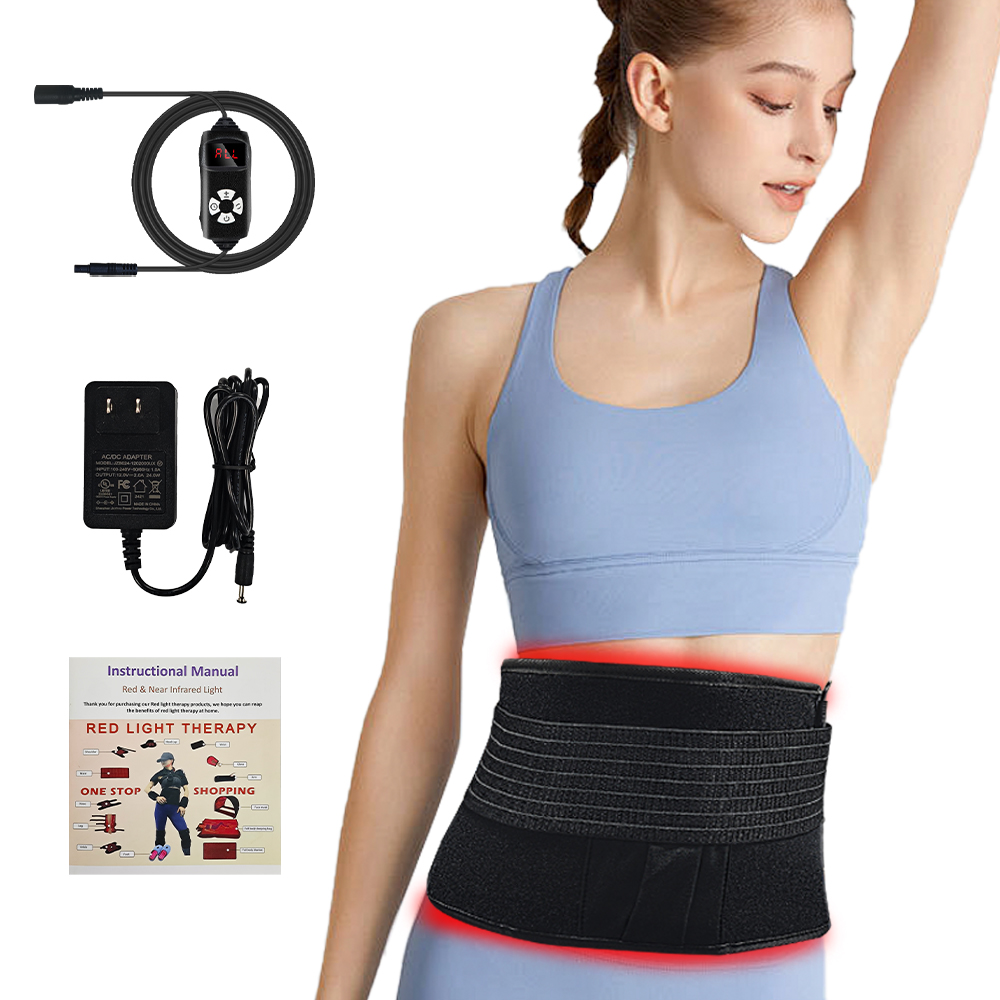
The LEDEAST T110 is a red and near-infrared light therapy device that brings the benefits of dual wavelengths (660 nm and 850 nm) into a single product. This makes it versatile and useful for a wide range of everyday wellness needs.
The design of the T110 is both user-friendly and effective for regular home use. While individual results vary and depend on consistent use, many users find that devices like the T110 can become a supportive tool in their wellness routine.
Key Benefits of the LEDEAST T110
-
Dual-wavelength therapy: Includes both 660 nm and 850 nm light to support surface skin health and deeper tissue care.
-
Simple usage: Designed for easy home use, the device is set up to be approachable even for first-time users.
-
Natural and gentle: Uses light only — no invasive procedures or drugs — making it a gentle addition to daily health practices.
-
Daily wellness tool: Suitable for regular use as part of a balanced lifestyle that includes exercise, nutrition, and rest.
While the T110 is not a medical device and should not replace professional medical advice, many people appreciate its role in daily wellness care.

How to Use Red Light Therapy Safely
Red light therapy is considered safe for most people when used properly. It is important to follow the manufacturer’s instructions when using devices like the LEDEAST T110.
Here are general safety considerations:
-
Avoid direct eye exposure to the light without eye protection.
-
Start with shorter sessions if you are new to red light therapy.
-
Do not use red light therapy on broken or sensitive skin without professional guidance.
-
People with photosensitive conditions or who take photosensitizing medication should consult a healthcare provider before use.
If you have chronic medical conditions or injuries, red light therapy should be used alongside, not as a replacement for, medical treatment.
Integrating the T110 into Daily Life
One of the strengths of red light therapy devices like the LEDEAST T110 is their flexibility. Here are some simple ways people often include them in their routines:
-
Morning or evening sessions to support skin care and relaxation.
-
Post-exercise sessions to ease muscle tension.
-
During breaks in long workdays to support circulation and reduce stiffness.
Consistency is key. While results may vary from person to person, regular use often leads to better perceived benefits than occasional use.

The Future of Light-Based Wellness
Red light therapy is a growing part of the wellness landscape. As technology improves and more people seek natural, supportive health solutions, products like the LEDEAST T110 make it easier to access the potential benefits of light therapy at home.
The combination of the 660 nm and 850 nm wavelengths has become a standard in the industry because it covers a broad range of needs — from skin wellness to deeper tissue comfort.
While red light therapy is not a cure-all, it is an example of how light and technology can work together to support a healthier, more balanced life.
Post time: Jan-07-2026


