In recent years, the red-light therapy industry has grown rapidly. More and more people are discovering that light can be more than just illumination — it can be a tool for wellness, recovery, and beauty. The idea is simple: certain wavelengths of light can help our body heal itself.
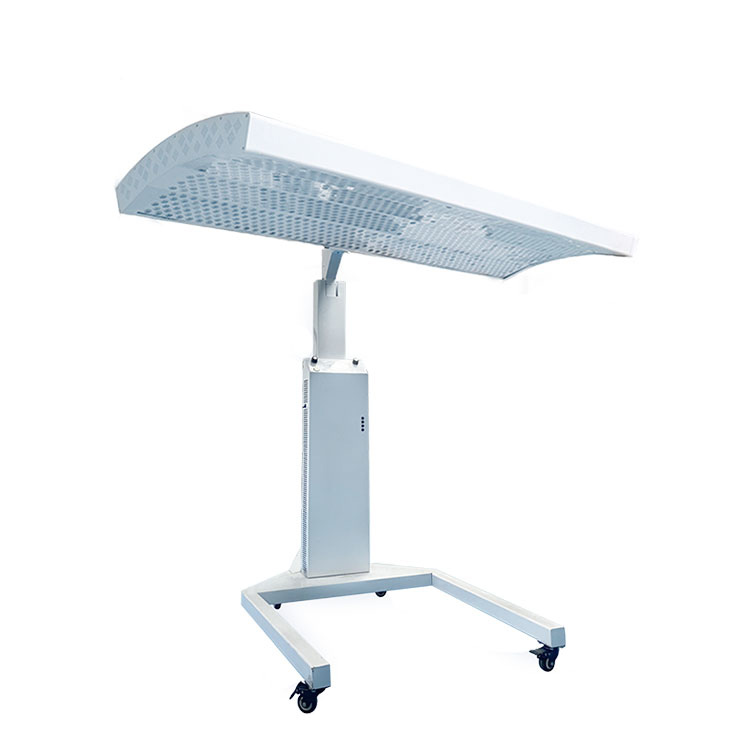
One company driving this growth is LEDEAST, a trusted manufacturer of red and near-infrared light therapy equipment. Our T6000 model is one of our flagship products. It is designed as a Full Body Recharge, Relaxation, and Muscle Pain Relief Red Light Therapy Bed Capsule, created specifically to bring professional-level red-light wellness into homes, clinics, and fitness centers.
In this article, we explore how red-light therapy works, why many people find it useful, and how a product like LEDEAST T6000 fits into the broader story of health and wellness.
What is red-light therapy (RLT)
Red-light therapy — often abbreviated RLT — uses low-level red or near-infrared (NIR) light to stimulate cellular processes under the skin.
Unlike ultraviolet (UV) light, red or NIR light does not damage the skin or cause tanning. Instead, the light penetrates skin layers (usually 1–2 millimeters for red light) and reaches cells, especially the mitochondria — the "powerhouses" of our cells.
When mitochondria absorb this light, they can produce more energy — in the form of ATP (adenosine triphosphate). This extra energy helps cells repair, regenerate, and function better.
Because this process happens at the cellular level, red-light therapy can potentially benefit many parts of the body — skin, muscles, joints, hair follicles — and support general health and wellness.
RLT is non-invasive and painless. It does not “burn” like some heat therapies, and it does not use ionizing radiation (like UV).
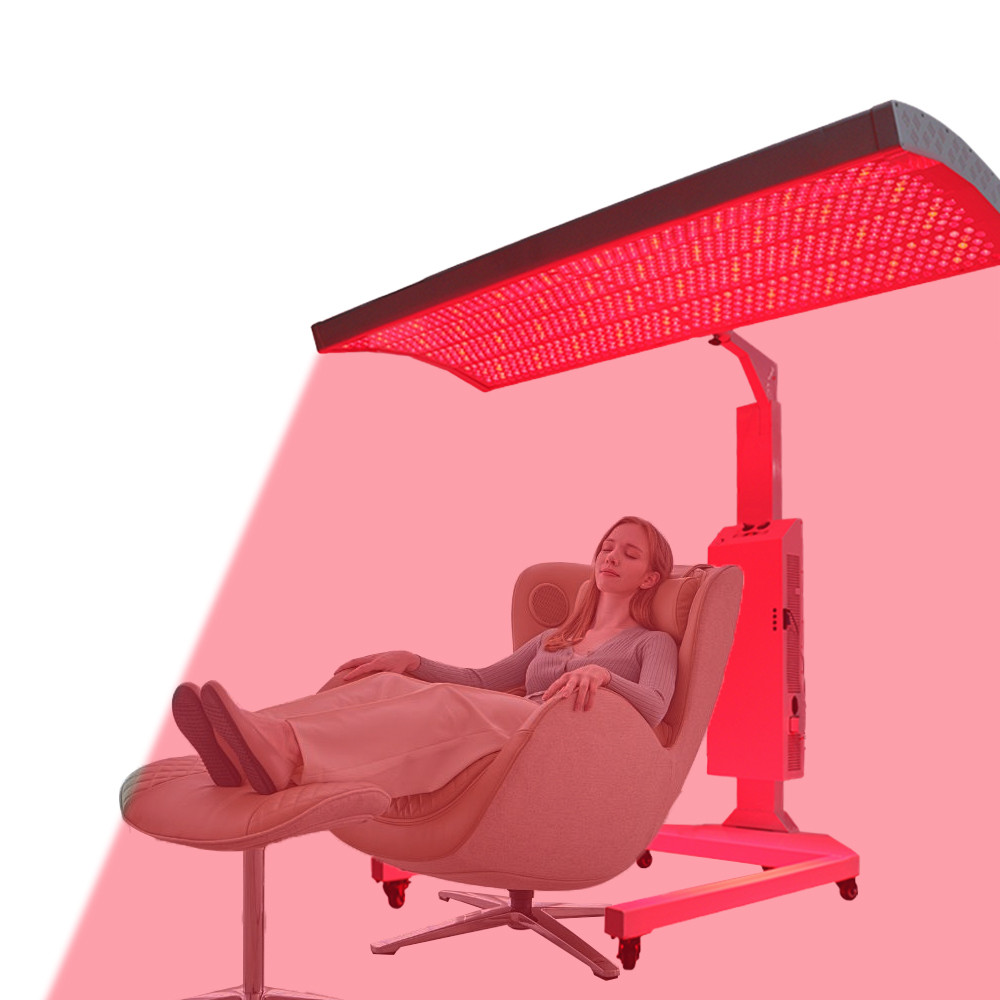
Why people use red-light therapy — health and wellness benefits
Many studies, and growing user interest, highlight several potential benefits of red-light therapy. Below are some of the most commonly reported and studied ones.
Skin health, beauty, and anti-aging
One of the most popular use cases for RLT is improving skin appearance. Red and near-infrared light can stimulate the production of collagen and elastin — proteins that give skin its strength, elasticity, and youthful look.
Regular RLT may help reduce fine lines and wrinkles, improve skin tone and texture, and even fade dark spots, discolorations, or scars.
For people recovering from cosmetic procedures (like microneedling or chemical peels) or dealing with acne, RLT may accelerate healing, reduce inflammation, and calm redness without damaging the skin.
Because the therapy is gentle, many users appreciate that it's a non-chemical, non-invasive option for skin care — just light, no creams or drugs.
Pain relief, inflammation reduction, and healing
Red-light therapy is not just about looks. It also has real potential for improving health, especially for pain, inflammation, and recovery.
By boosting cellular energy and improving blood flow, RLT may help injured tissues, muscles, joints, or even bones to heal more quickly. It may be useful for chronic pain (such as arthritis or back pain), muscle soreness, joint inflammation, tendonitis, or after sports injuries.
Many users also report faster recovery after workouts. For athletes or regular gym-goers, red-light therapy can help reduce muscle soreness and improve recovery time.
Overall wellness: energy, recovery, mood, and more
At a more general level, red-light therapy may support cellular resilience, metabolic health, and recovery ability. By supporting mitochondria and improving microcirculation, RLT helps cells get enough oxygen and nutrients — which contributes to better skin, muscle, and tissue health over time.
There is also emerging interest in RLT for brain health, mood, and sleep. Some research points to potential benefits for mood disorders, cognitive performance, and mental wellness under certain protocols — though this area is still new and results are mixed.
Because RLT is gentle, and does not involve drugs or invasive procedures, many people view it as a good complement to healthy living — a way to support recovery, reduce wear-and-tear, and maintain wellbeing naturally.
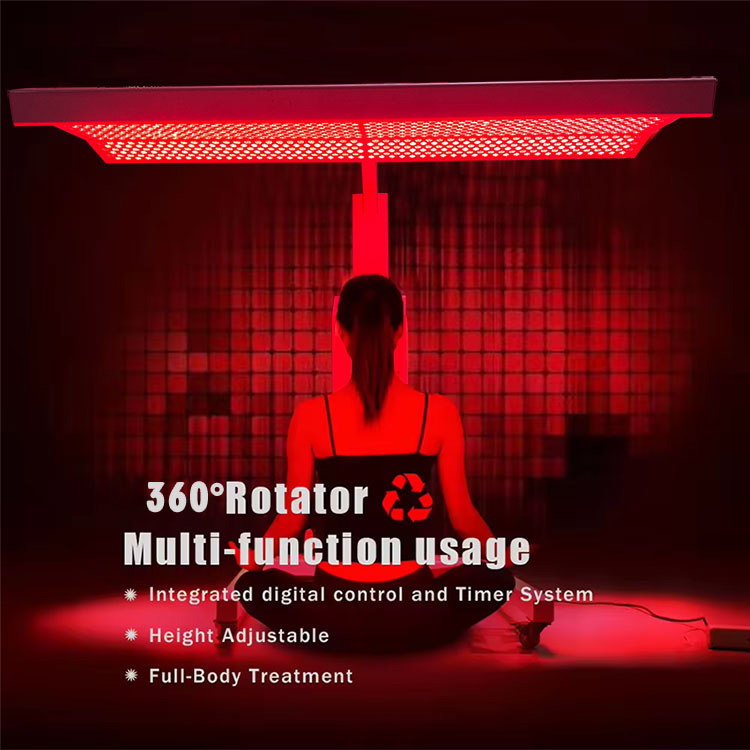
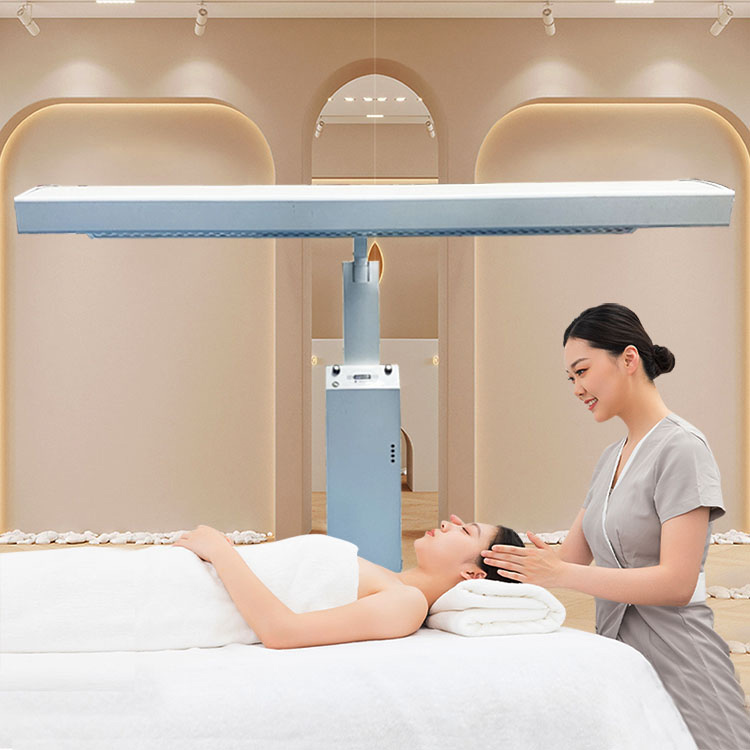
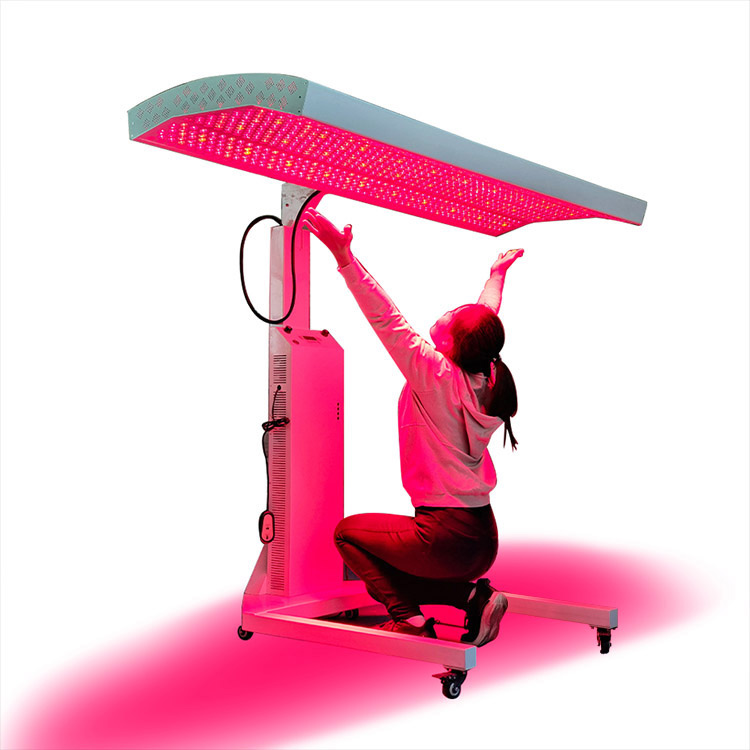
Where LEDEAST fits in: T6000 and the market
Given the growing interest in red-light therapy, many companies are developing devices to bring RLT into homes, spas, gyms, and wellness centers.
One of the leading brands in this field is LEDEAST. Our device, the LEDEAST T6000, is a full-body red light therapy bed capsule designed for recharge, relaxation, and muscle pain relief.
Here are some features of this product:
-
It uses LED light as its source.
-
It offers two main wavelengths: 660 nm (red light) and 850 nm (near-infrared light).
-
It is designed for use on the whole body — not just small areas.
-
The device is robust and suitable for repeated use — which fits with the idea that regular, consistent sessions are more effective.
Because of these features, LEDEAST aims to bring the benefits of red-light therapy — skin improvement, muscle recovery, pain relief, overall wellness — into a more accessible, home- or spa-friendly format.
In other words: instead of going to a clinic or therapist every time, users can create their own “light therapy sessions” at home, in a simple, controlled way.
This aligns with a broader trend in the wellness industry: more people want non-invasive, natural tools for health — light, heat, cold, sleep, movement — rather than always relying on pills or procedures.
What research says: promising but not a miracle cure
It is important to be realistic. While many studies support red-light therapy’s benefits, the scientific community has not reached a full consensus. Researchers often call for more high-quality, large-scale studies.
For skin care, many dermatologists see RLT as a useful “complement”—it can help improve texture, tone, and healing, but it does not replace good skincare routines (like moisturizing, sun protection, or medical treatments).
For pain relief or muscle recovery, RLT appears quite promising. Reviews indicate that RLT can reduce inflammation, support tissue repair, and relieve pain in conditions such as arthritis, tendonitis, or general muscle strain.
But results vary. Some users or studies report noticeable improvement, while others see only modest changes — or no change at all. A big factor seems to be the quality of the device (wavelength, light power, coverage) and how regularly and correctly it is used.
Safety is also generally good: because red and NIR light are non-ionizing and low-intensity, they rarely cause burns or damage when used properly. They are far less risky than UV-based treatments.
Still, misuse — very long sessions, using a low-quality device, or shining light directly into eyes — can lead to skin redness, burns, or eye damage.
Many experts recommend consulting a physician before starting red-light therapy, especially if you have underlying health conditions, photosensitivity, or other risks.
Why LEDEAST T6000 might appeal — and what to keep in mind
Given what we know about red-light therapy, a large-body device like LEDEAST T6000 has some clear advantages.
Pros / strengths
-
Full-body coverage: For people who want general wellness, muscle recovery, or full-skin treatment, a full-body bed panel is more convenient than small hand-held devices or patches.
-
Dual wavelengths (red + NIR): Using both 660 nm and 850 nm allows reaching both skin surface and deeper tissues (muscles, joints). This covers more use cases — from skin beauty to muscle recovery or pain relief.
-
Home convenience: Having such a device at home means you don’t need to visit a clinic. You can schedule sessions according to your convenience, and integrate them into your wellness routine.
-
Non-invasive and relatively safe: Compared to many cosmetic or medical procedures, RLT with LED is gentle — no chemicals, no invasive treatments, no downtime.
Things to consider / limitations
-
Need for consistency: Like many therapies, RLT works best when used regularly. One session is unlikely to lead to dramatic changes. Consistency over weeks or months is more meaningful.
-
Device quality matters: Not all red-light devices are equal. Power, wavelength accuracy, and coverage affect effectiveness. A low-quality device may do little.
-
Not a cure-all: While RLT can support skin, recovery, and wellbeing, it should not be viewed as a magic bullet. It complements healthy habits (sleep, diet, exercise, skincare), rather than replaces them.
-
Safety and proper use: Use correct distance, duration, and eye protection when needed. If you have health conditions (photosensitivity, skin disorders, etc.), consult a doctor.
Red-light therapy — a growing industry in health & beauty
The expansion of red-light therapy reflects larger trends in wellness and self-care. As more people look for natural, less invasive ways to maintain health, reduce pain, or slow aging, RLT fits well: it is relatively affordable (compared to medical procedures), easy to use, and supported by a growing body of evidence.
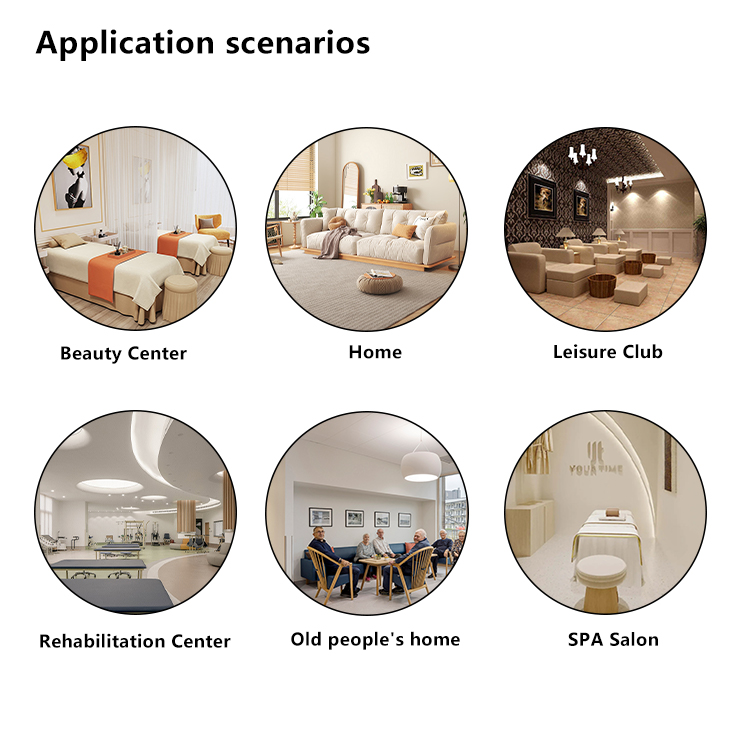
Brands like LEDEAST are helping to democratize this technology. By offering devices such as the T6000 full-body panel, they make it possible for users to create spa-like therapy in their homes or small clinics.
At the same time, the scientific community continues to explore the full potential of RLT — for skin, musculoskeletal health, brain, mood, and general wellness. As backers note, RLT is not a one-size-fits-all solution; but in combination with healthy lifestyle habits, it can be a valuable tool for many people.
For users interested in holistic health — skin care, recovery after workouts, pain relief, or general well-being — red-light therapy may be a gentle, accessible, and worthy addition.
Red-light therapy has emerged from niche medical and spa settings into mainstream wellness. The idea that light — when correctly applied — can support cellular energy, tissue repair, skin health, and recovery is powerful.
The brand LEDEAST, with its T6000 full-body red/near-infrared light therapy panel, represents this shift: making RLT accessible for home or small-clinic use, offering both skin and full-body benefits.
That said, red-light therapy is not a miracle cure. Its efficacy depends on consistent use, good device quality, and realistic expectations. It should be part of a broader wellness lifestyle that includes healthy habits like good sleep, nutrition, movement, and skin care.
If you consider using a device like LEDEAST T6000, treat it as a supportive wellness tool — not a substitute for medical care or healthy living. With the right expectations and responsible use, RLT can be a gentle, non-invasive, and promising part of your health toolbox.
Post time: Dec-11-2025


