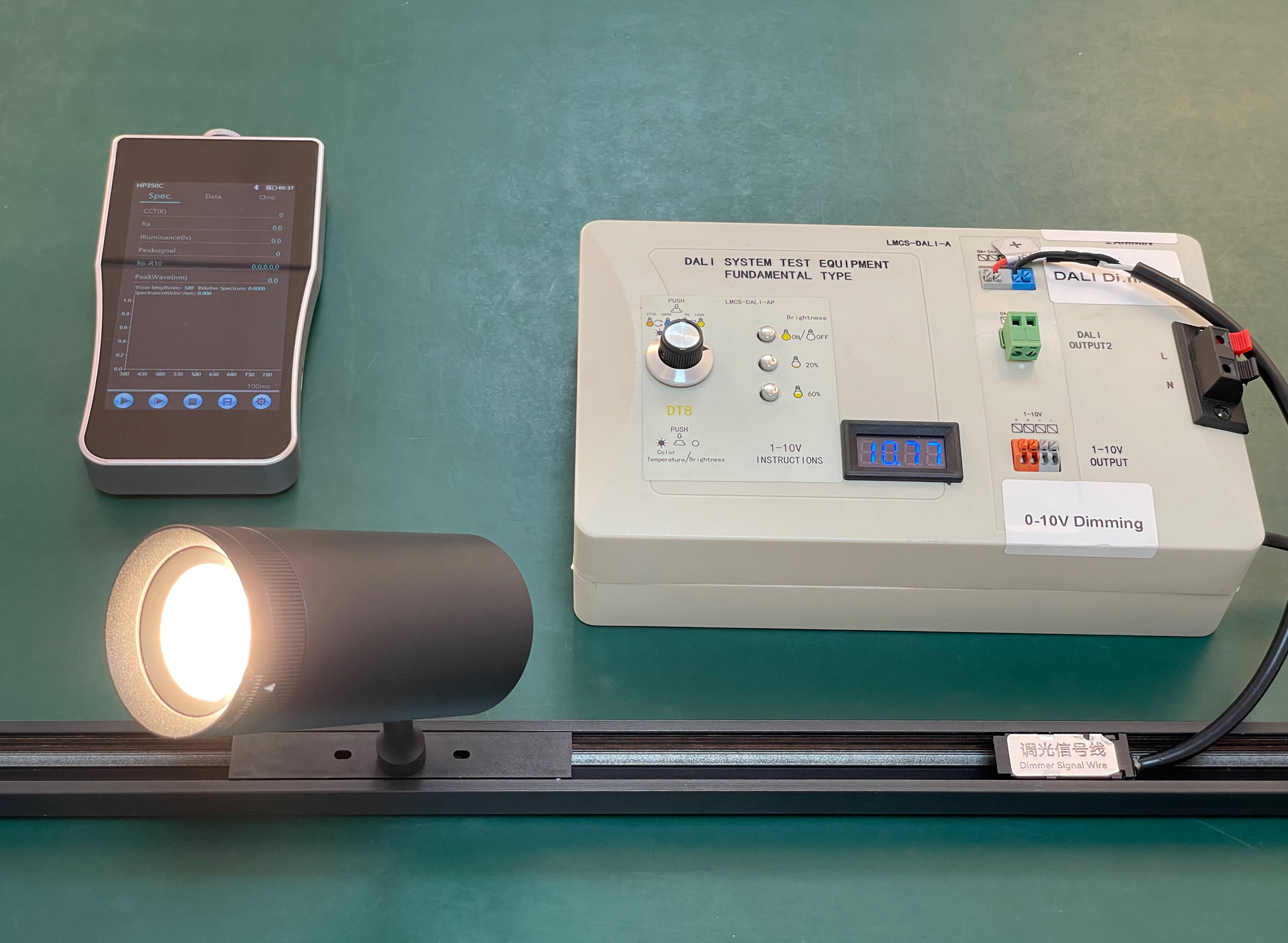
Have you ever wondered why some LED lighting systems offer simple brightness adjustment, while others can control individual fixtures, create lighting scenes, and communicate with an entire building? The secret often lies in the dimming protocol. Two widely adopted technologies, 0-10V and DALI, provide different approaches to intelligent LED lighting control.
1. What Is 0-10V Dimming?
0-10V dimming is an analogue lighting control method that regulates LED brightness through a low-voltage signal. As the control voltage changes, the compatible LED driver adjusts the light output accordingly. Generally, 10V represents maximum brightness, while lower voltage levels correspond to reduced output. However, the minimum dimming level and switch-off behaviour depend on the driver specification.
Its straightforward architecture makes 0-10V dimming particularly suitable for offices, retail stores, warehouses, and other environments requiring reliable group brightness adjustment.
2. What Is DALI Dimming?
DALI stands for Digital Addressable Lighting Interface. Unlike conventional analogue control, DALI uses digital communication to exchange commands between compatible lighting controllers and LED drivers.
More importantly, individual drivers can receive unique addresses, allowing users to configure lighting groups, create customised scenes, and adjust fixtures through software. DALI-2 also supports enhanced interoperability and additional control-device functionality.
Consequently, DALI is an attractive option for smart offices, hotels, conference rooms, commercial buildings, and large-scale lighting installations.
3. 0-10V vs DALI: What Are the Main Differences?
The distinction becomes clearer when comparing their technical characteristics:
- Control Method: 0-10V uses analogue voltage signals, whereas DALI uses digital communication.
- Communication: 0-10V generally provides one-way control; DALI supports two-way communication.
- Flexibility: 0-10V is convenient for predefined lighting zones, while DALI allows software-based grouping and individual addressing.
- Installation: Both require compatible control wiring, but DALI uses a two-wire communication bus without polarity requirements.
- Applications: 0-10V suits straightforward dimming projects; DALI excels in sophisticated lighting management environments.
4. How Do You Choose the Right LED Dimming Solution?
The ideal choice depends on project complexity, installation budget, scalability, and future control requirements. For conventional lighting layouts, 0-10V offers practical simplicity. Conversely, projects requiring personalised scenes, adaptable zoning, and centralised monitoring may benefit from DALI.
5. Why Choose LEDEAST?
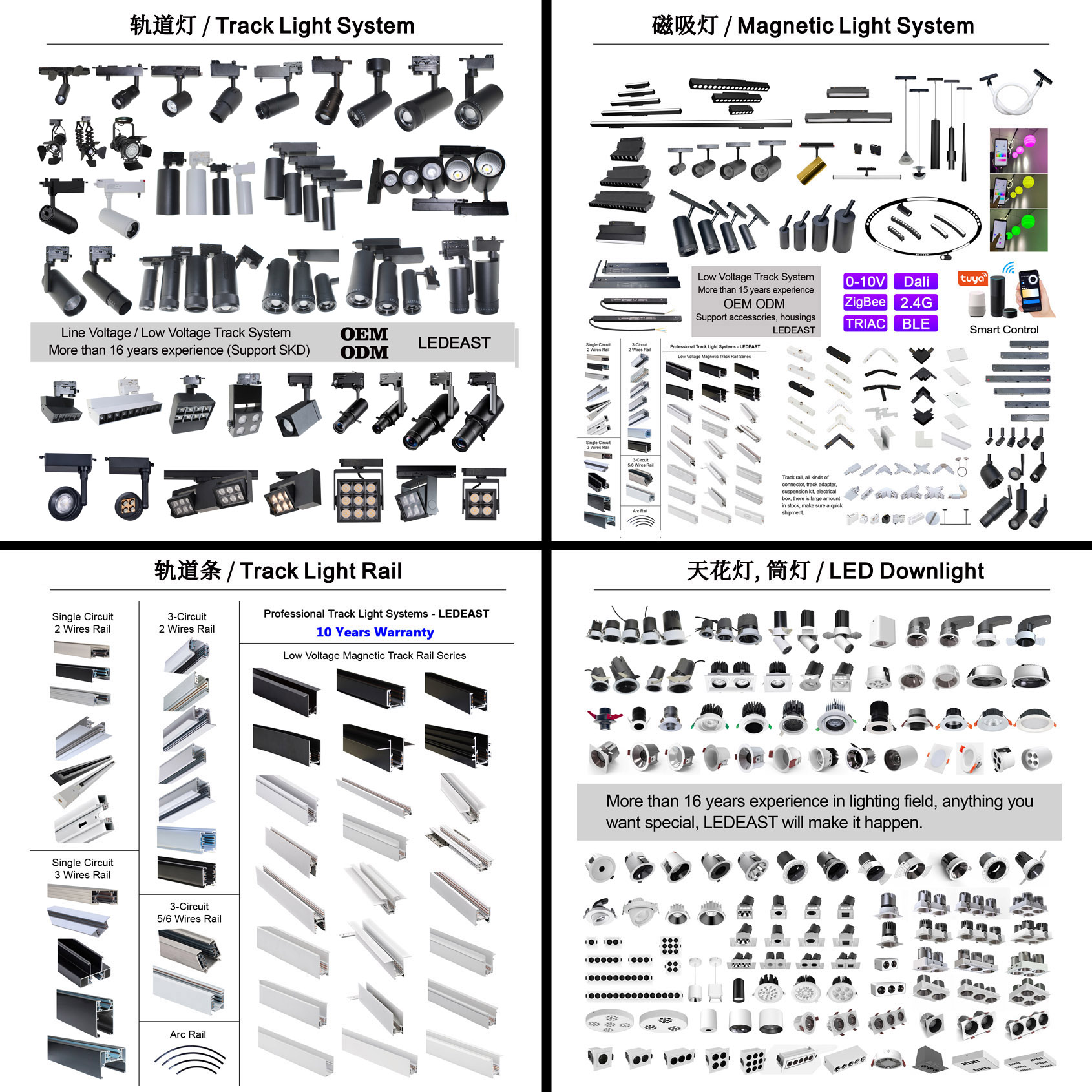
At LEDEAST, we understand that a reliable lighting system starts with the right LED driver and control compatibility. Our lighting solutions focus on dependable performance, versatile configurations, and practical integration for diverse commercial and architectural applications.
Before purchasing, always verify driver specifications, controller compatibility, dimming range, and system requirements.
6. Final Thoughts
Ultimately, 0-10V and DALI are not competing technologies with one universal winner. They are different tools designed for different lighting requirements. Understanding their characteristics helps lighting designers, contractors, and project managers build more efficient, adaptable, and user-friendly illumination systems.
Post time: Nov-03-2026


